AC Leak Water Damage in Miami Beach, FL
An air conditioner that runs most of the year makes gallons of water every day. When the drain clogs, that water lands in closets, ceilings and the unit below. The drying team finds it and dries it.
(888) 621-2041Dry the AC closet before it swells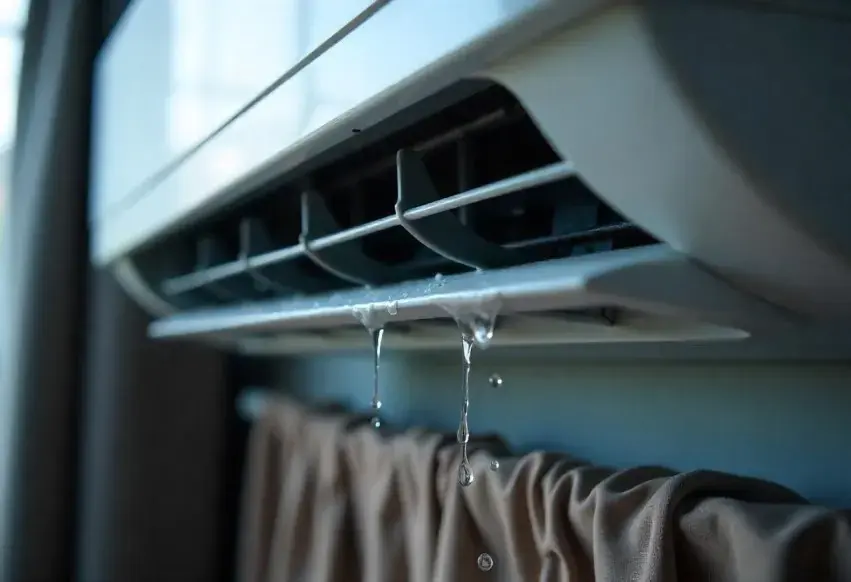
What to do the moment you find water from the air conditioner
- 1
Turn the AC off
Stop the system at the thermostat so the pan stops filling.
- 2
Mop and check below
Soak up the water and check the ceiling or unit below for stains.
- 3
Pull out stored items
Empty the air handler closet so the floor and walls can breathe.
- 4
Photograph the pan and the damage
Show the overflow, the wet floor and any stains for the file.
- 5
Call for drying
Get the closet, walls and subfloor dried before swelling and odor set in.
What does ac leak water damage cost in Miami Beach, FL?
In Miami Beach, FL, AC leak water damage cleanup typically runs $500 to $8,000 or more. The drivers are how long the leak ran, whether it reached a ceiling or the unit below, the flooring type and whether porous materials have to come out.
Air handler closet
- Extraction
- Baseboard and wall base drying
- Moisture map
Ceiling below the AC
- Ceiling drywall drying or removal
- Cavity drying
- Daily readings
Unit below or long-running leak
- Drying in both units
- Category 2 material removal
- Documentation
For a planning range on your own loss, try the Miami Beach water damage cost calculator. The restoration contractor who responds sets the real scope after the moisture map.
How AC leak water damage is handled in Miami Beach
- 1
Moisture mapping
The tech who does the walkthrough maps wet materials with pinless meters and a thermal camera before any equipment goes down, including the unit below and the wall cavities.
- 2
Extraction
The extraction crew pulls standing water with truck-mounted or portable units, so it leaves the building instead of spreading along the slab.
- 3
Air movers and LGR dehumidifiers
The drying team sets air movers to each room's evaporation load and runs LGR dehumidifiers, adding desiccants for dense Class 4 materials like concrete and terrazzo.
- 4
Daily readings to the drying goal
Readings are logged every day, and equipment comes out when wet materials sit within 2 to 4 points of a dry reference in the same building.
In Miami Beach humidity, a central AC system pulls a steady stream of water out of the air. That water drains through a small condensate line. When algae or debris clogs the line, the drain pan overflows, and the water goes wherever gravity takes it.
Where AC water ends up
In condos the air handler usually sits in a hall closet or above a dropped ceiling. An overflow soaks the closet floor, runs under the wall into the hallway or bedroom, and in a tower it can come through the ceiling of the unit below. Mini splits drip down the wall under the indoor head. Slow AC leaks are easy to miss for weeks, which is how they turn into swollen baseboards and stained ceilings.
- Air handler closets: soaked subfloor, baseboards and the wall behind the unit
- Ceiling-mounted units: stained, sagging drywall below
- Mini splits: water running down the wall and onto the floor
- Units below: ceiling stains that look like a plumbing leak
Drying an AC loss properly
The tech who does the walkthrough maps moisture around the air handler and under the adjacent walls, because the wet area is usually bigger than the puddle. The drying team extracts standing water, removes wet baseboards if needed and dries the wall base and subfloor with air movers and dehumidifiers. Once condensate has sat in a warm pan, it is often treated as Category 2, so porous materials that stayed wet are evaluated for removal.
Keep the AC off until the drain is cleared. Running it with a clogged line just adds more water, and a technician can clear the line and check the float switch that is supposed to shut the unit down.
Preventing the next overflow
Most AC service companies recommend flushing the condensate line and checking the pan and float switch on a schedule, more often in a climate where the system barely rests. UF/IFAS Extension publishes home energy and cooling advice for South Florida, and EPA indoor air quality explains how humidity and moisture affect indoor air.
Related: condo water leaks, ceiling leaks and structural drying. The drying time estimator shows how long typical AC losses take to dry.
Related water damage services in Miami Beach
Water damage restoration across Miami Beach and the nearby islands
The Miami Beach restoration crew covers South Beach, Mid-Beach and North Beach, plus Surfside, Bal Harbour, Bay Harbor Islands, North Bay Village and Fisher Island.
From South of Fifth to the Normandy Isles, the restoration team works 24/7 in every Miami Beach ZIP: 33139, 33140, 33141, 33109, 33119 and 33239, plus 33154 to the north.
High-rise access, loading docks and building management rules are part of the job on the island, and the crew plans for them before the equipment goes up.
See every neighborhood and ZIP coveredAC Leak Water Damage questions in Miami Beach, FL
Why is my air conditioner leaking water?
The most common cause is a clogged condensate drain line, which makes the drain pan overflow. A rusted pan, a failed condensate pump or a frozen coil can also cause leaks.
Should I turn the AC off?
Yes, until the drain is cleared. Running it adds more water. Use fans and a portable dehumidifier to keep air moving while you wait.
Is AC condensate dirty water?
It starts fairly clean, but water that sat in a warm pan with algae growth is often treated as Category 2. That changes what porous materials can be saved.
Can AC water damage the unit below?
Yes. In towers, air handlers often sit above ceilings or in closets that share a slab with the unit below, so an overflow can show up downstairs first.
How long does it take to dry an AC leak?
A contained closet and hallway loss usually dries in three to five days. Wet subfloor, hardwood or water that ran for weeks takes longer.
Does insurance cover AC leaks?
A sudden overflow is often treated differently from a slow leak that went on for months. Coverage depends on your policy, so it is worth checking with your own insurer.
AC Leak Water Damage in Miami Beach? Call now.
Every hour water sits, it moves deeper into drywall, cabinets, baseboards and the slab. The Miami Beach restoration crew extracts, dries to the S500 goal and documents the loss for your claim.
(888) 621-2041Speak with Miami Beach 24/7 dispatch