Water Extraction in Miami Beach, FL
Standing water on tile, carpet or a slab keeps spreading until it leaves the building. The extraction crew pulls it out fast, then the drying team takes over.
(888) 621-2041Get water out of your Miami Beach home now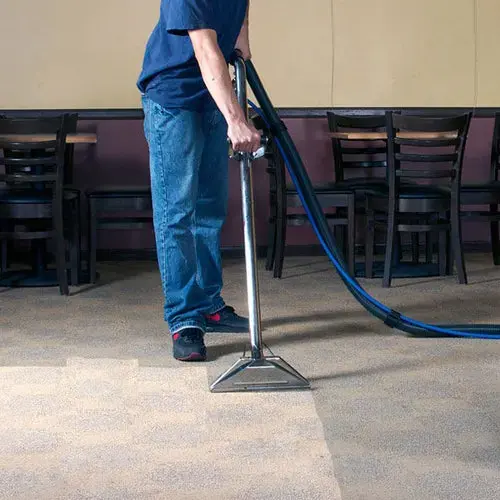
What to do the moment you find standing water
- 1
Stop the source
Close the fixture shutoff or the unit's main valve. In most condos the unit valve sits in a utility closet or near the water heater.
- 2
Cut power to wet rooms
Switch off breakers for wet rooms, but only if the panel area is dry.
- 3
Photograph before moving anything
Take wide shots and close-ups of every wet room for the claim file.
- 4
Lift what you can
Move rugs, boxes and electronics off wet floors and put foil or blocks under furniture legs.
- 5
Call for extraction
The sooner the water leaves, the shorter the drying and the smaller the claim.
What does water extraction cost in Miami Beach, FL?
In Miami Beach, FL, water extraction and the drying that follows typically run $400 to $10,000 or more. The drivers are the water category, the square footage that got wet, the flooring and material class, high-rise access and how fast extraction started.
One room, clean water
- Wand or stand-on extraction
- Carpet pad check
- Moisture map of the room
Several rooms or a full unit
- Portable units by elevator
- Baseboard and toe-kick checks
- Air movers and LGR dehumidifiers
Category 3 or a whole floor
- Porous material removal
- EPA-registered antimicrobial
- Daily moisture readings
For a planning range on your own loss, try the Miami Beach water damage cost calculator. The restoration contractor who responds sets the real scope after the moisture map.
Water extraction handled step by step in Miami Beach
- 1
Moisture mapping
The tech who does the walkthrough maps wet materials with pinless meters and a thermal camera before any equipment goes down, including the unit below and the wall cavities.
- 2
Extraction
The extraction crew pulls standing water with truck-mounted or portable units, so it leaves the building instead of spreading along the slab.
- 3
Air movers and LGR dehumidifiers
The drying team sets air movers to each room's evaporation load and runs LGR dehumidifiers, adding desiccants for dense Class 4 materials like concrete and terrazzo.
- 4
Daily readings to the drying goal
Readings are logged every day, and equipment comes out when wet materials sit within 2 to 4 points of a dry reference in the same building.
Extraction is the step that decides how long every other step takes. A gallon of water pulled out with a wand is a gallon the dehumidifiers never have to evaporate, which is why the extraction crew works the floor slowly and in overlapping passes before a single air mover goes down.
Truck-mounted or portable: how the crew chooses
On single-family streets in Bayshore, Nautilus or the Venetian Islands, a truck-mounted unit parks at the curb and runs hoses inside. It has the most suction and sends the water to a holding tank instead of a drain. In an oceanfront tower on Collins Avenue, hoses rarely reach the 20th floor, so the crew brings portable extractors up the service elevator and works unit by unit.
- Carpet and pad: weighted stand-on extraction presses water out of the pad, often saving the carpet on clean-water losses.
- Tile, marble and terrazzo: squeegee wands and floor tools clear the surface, then the grout lines and the slab get dried separately.
- Hardwood and engineered floors: panel-style mats pull water up from the boards and the subfloor.
Why speed matters on the island
Miami Beach air is humid most of the year, so wet materials dry slowly on their own and mold can start inside 24 to 48 hours. Extraction that starts early keeps a wet room from becoming a wet unit, and in a condo it keeps water from finding the ceiling below. The EPA moisture and mold guidance makes the same point: dry wet materials fast.
Extraction is not drying. Moisture that soaked into drywall, baseboards and the slab stays behind, so the drying team follows with air movers and LGR dehumidifiers until the readings match a dry reference.
What happens right after extraction
Once the standing water is out, the tech who does the walkthrough maps moisture with pinless meters and a thermal camera, marks the wet edges and sets the drying plan. If the water came from outside, as it does during king tides or storm surge, it is treated as Category 3 and porous materials it touched come out. Heavy rain alerts from the National Weather Service Miami office are a good cue to check garages and ground floors early.
Related losses: structural drying, condo water leaks and king tide flooding. For a planning number, try the water damage cost calculator.
Related water damage services in Miami Beach
Water damage restoration across Miami Beach and the nearby islands
The Miami Beach restoration crew covers South Beach, Mid-Beach and North Beach, plus Surfside, Bal Harbour, Bay Harbor Islands, North Bay Village and Fisher Island.
From South of Fifth to the Normandy Isles, the restoration team works 24/7 in every Miami Beach ZIP: 33139, 33140, 33141, 33109, 33119 and 33239, plus 33154 to the north.
High-rise access, loading docks and building management rules are part of the job on the island, and the crew plans for them before the equipment goes up.
See every neighborhood and ZIP coveredWater Extraction questions in Miami Beach, FL
Can wet carpet be saved after extraction?
Often, yes, when the water was clean and extraction starts early. The pad usually absorbs more than the carpet, so some crews replace the pad and dry the carpet in place. Carpet touched by Category 3 water, like sewage or outside flood water, is removed.
How do crews extract water in a high-rise condo?
Truck-mounted hoses rarely reach upper floors, so the extraction crew brings portable extractors up the service elevator, protects the hallway and works each wet room. Building management usually sets the elevator and loading rules.
Is a shop vacuum enough?
A shop vacuum helps with a small spill, but it cannot pull water out of carpet pad, under cabinets or out of a slab. Professional extraction units have far more suction and are paired with moisture mapping to find what the eye misses.
How long does extraction take?
Most rooms take less time to extract than to dry. A single wet room is usually cleared in one visit; drying afterward typically runs three to five days for a contained loss, longer for dense materials.
Does extraction remove the need for drying equipment?
No. Extraction removes standing and pooled water. The moisture inside drywall, baseboards, cabinets and the slab still needs air movers and dehumidifiers until readings reach the drying goal.
What if the water came from outside?
Water from king tides, storm surge or street flooding is treated as Category 3 because it carries contaminants. Porous materials it touched are removed, and an EPA-registered antimicrobial is applied before drying.
Water Extraction in Miami Beach? Call now.
Every hour water sits, it moves deeper into drywall, cabinets, baseboards and the slab. The Miami Beach restoration crew extracts, dries to the S500 goal and documents the loss for your claim.
(888) 621-2041Speak with Miami Beach 24/7 dispatch