Roof Leak Water Damage in Miami Beach, FL
Flat roofs, parapet walls and hurricane-driven rain make roof leaks a rainy-season constant on Miami Beach. The drying team dries the ceilings, walls and insulation the rain reached.
(888) 621-2041Dry the top floor before the next storm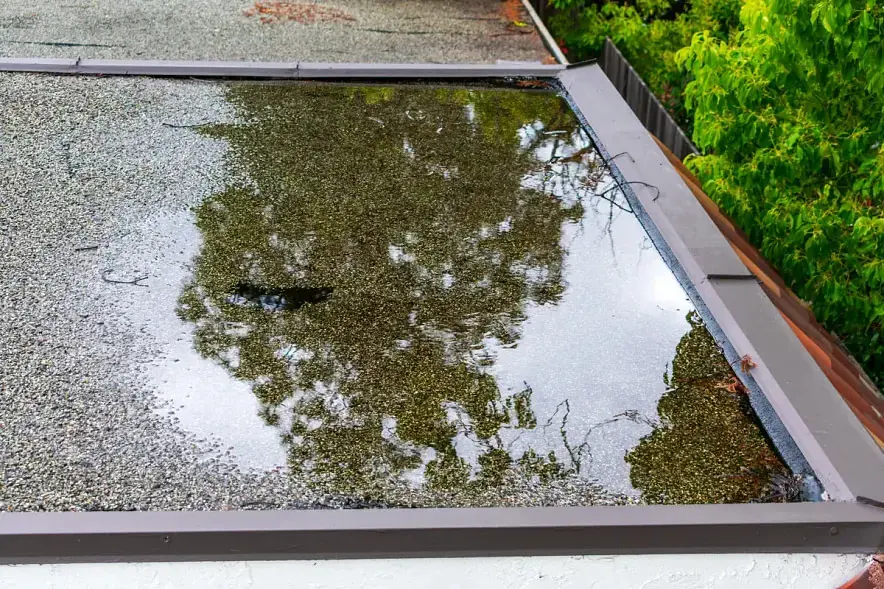
What to do the moment you find rain coming through the roof
- 1
Catch the water inside
Put buckets and tarps under drips and move furniture and electronics.
- 2
Cut power near the leak
Turn off breakers for lights and outlets near wet areas if the panel is dry.
- 3
Get the roof covered
Ask a roofer for a tarp or temporary patch once it is safe.
- 4
Photograph inside and out
Capture the ceiling, walls and any visible roof damage with dates.
- 5
Call for drying
Start drying ceilings and insulation before the next storm.
What does roof leak water damage cost in Miami Beach, FL?
In Miami Beach, FL, roof leak water damage cleanup typically runs $1,000 to $20,000 or more, not counting roof repair. The drivers are how many rooms or units the rain reached, wet insulation, walls wet from the parapet down, and how fast drying started.
One ceiling area
- Moisture mapping
- Ceiling drying or opening
- Daily readings
Top-floor unit, several rooms
- Insulation removal
- Wall cavity drying
- LGR dehumidifiers
Several units after a storm
- Drying across units
- Common-area checks
- Documentation per unit
For a planning range on your own loss, try the Miami Beach water damage cost calculator. The restoration contractor who responds sets the real scope after the moisture map.
How roof leak water damage is handled in Miami Beach
- 1
Moisture mapping
The tech who does the walkthrough maps wet materials with pinless meters and a thermal camera before any equipment goes down, including the unit below and the wall cavities.
- 2
Extraction
The extraction crew pulls standing water with truck-mounted or portable units, so it leaves the building instead of spreading along the slab.
- 3
Air movers and LGR dehumidifiers
The drying team sets air movers to each room's evaporation load and runs LGR dehumidifiers, adding desiccants for dense Class 4 materials like concrete and terrazzo.
- 4
Daily readings to the drying goal
Readings are logged every day, and equipment comes out when wet materials sit within 2 to 4 points of a dry reference in the same building.
Many Miami Beach buildings, from Art Deco walk-ups to MiMo apartment buildings and modern condo towers, have flat or low-slope roofs with parapet walls. Water that ponds on those roofs finds cracks in the membrane, gaps in the flashing and clogged roof drains, then shows up on the top-floor ceiling.
How rain gets in
- Ponding water on flat roofs that works through membrane seams
- Cracked parapet caps and failed flashing at the wall-roof joint
- Clogged roof drains and scuppers after heavy downpours
- Wind-driven rain pushed sideways through vents, windows and balcony sliders during storms
The rainy season runs roughly May through October, with heavy afternoon storms, and hurricane season stacks on top of it from June 1 to November 30. The National Weather Service Miami office posts heavy rain and wind warnings for the island.
Drying below the roof
The roofer stops the water; the drying team handles what got wet. That usually means the top-floor ceiling, the insulation above it, the tops of walls and sometimes the floor where water dripped. The tech who does the walkthrough maps moisture along the ceiling and down the walls, because roof water often runs inside the wall from the parapet down. Wet insulation comes out, sagging drywall is drained and cut back, and air movers and dehumidifiers dry the cavities.
Once the rain stops, a tarp or temporary patch from a roofer keeps the next storm from undoing the drying. Ask for it before equipment goes in.
Storm damage, wear and the claim
Insurers often treat a sudden storm opening differently from a roof that leaked because it wore out. Photos of the roof, the ceiling and the date of the storm help the file, along with the moisture map and daily readings. Coverage depends on your policy, so it is worth checking with your own insurer. The National Hurricane Center has hurricane preparation information for building owners.
Related: ceiling leaks from inside sources, storm surge flooding and structural drying. For a planning range, use the water damage cost calculator.
Related water damage services in Miami Beach
Water damage restoration across Miami Beach and the nearby islands
The Miami Beach restoration crew covers South Beach, Mid-Beach and North Beach, plus Surfside, Bal Harbour, Bay Harbor Islands, North Bay Village and Fisher Island.
From South of Fifth to the Normandy Isles, the restoration team works 24/7 in every Miami Beach ZIP: 33139, 33140, 33141, 33109, 33119 and 33239, plus 33154 to the north.
High-rise access, loading docks and building management rules are part of the job on the island, and the crew plans for them before the equipment goes up.
See every neighborhood and ZIP coveredRoof Leak Water Damage questions in Miami Beach, FL
Should I call a roofer or a restoration company first?
Usually both. The roofer stops the water with a patch or tarp; the restoration team dries the ceilings, walls and insulation below. Drying before the roof is patched risks a repeat.
Why do flat roofs leak so often?
Water can pond on a flat roof, and ponding water finds any gap in the membrane or flashing. Clogged drains make it worse during heavy storms.
Does wet insulation have to come out?
Usually, yes. Soaked insulation holds water against the ceiling for a long time and loses its value. It is removed so the cavity can dry.
Can water from the roof run inside the walls?
Yes. Water entering at a parapet or flashing often runs down inside the wall, so crews check walls under the leak, not only the ceiling.
Is roof leak damage covered by insurance?
A sudden storm opening is often treated differently from wear and tear. Coverage depends on your policy, so it is worth checking with your own insurer.
How long does drying take after a roof leak?
A contained ceiling and wall area usually dries in three to five days once the roof is patched. Larger areas and concrete take longer.
Roof Leak Water Damage in Miami Beach? Call now.
Every hour water sits, it moves deeper into drywall, cabinets, baseboards and the slab. The Miami Beach restoration crew extracts, dries to the S500 goal and documents the loss for your claim.
(888) 621-2041Speak with Miami Beach 24/7 dispatch