Condo Water Leak Cleanup in Miami Beach, FL
Water from the unit above does not stop at your ceiling. The restoration team traces the source, dries every affected unit and documents the loss for each insurer involved.
(888) 621-2041Stop the leak from reaching the next unit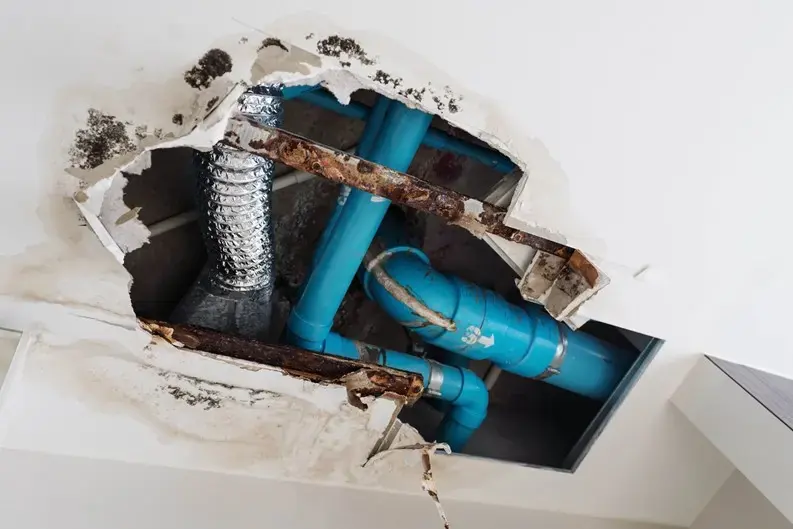
What to do the moment you find a leak from the unit above
- 1
Tell building management
Ask maintenance to find and close the valve feeding the leak, which may be in the unit above or the riser.
- 2
Cut power under the leak
Turn off breakers for any light or fan with water coming through, if the panel is dry.
- 3
Catch and move
Put buckets under drips and move furniture, rugs and electronics out of the path.
- 4
Photograph both units
Take photos of your ceiling, walls and floors, and ask the neighbor for photos of the source.
- 5
Call for drying
Get extraction and drying started in every affected unit before the damage spreads.
What does condo water leak cleanup cost in Miami Beach, FL?
In Miami Beach, FL, condo leak cleanup typically runs $1,500 to $25,000 or more. The drivers are how many units the water reached, the water category, whether ceilings and cabinets have to come out, and how fast drying started.
One unit below
- Ceiling and wall drying
- Thermal and meter mapping
- Daily readings
Two stacked units
- Equipment in both units
- Ceiling drywall opened if sagging
- Separate moisture logs
Three or more units
- Riser or stack tracing
- Category 2 or 3 handling
- Documentation per unit
For a planning range on your own loss, try the Miami Beach water damage cost calculator. The restoration contractor who responds sets the real scope after the moisture map.
How a unit-to-unit leak is handled in Miami Beach
- 1
Moisture mapping
The tech who does the walkthrough maps wet materials with pinless meters and a thermal camera before any equipment goes down, including the unit below and the wall cavities.
- 2
Extraction
The extraction crew pulls standing water with truck-mounted or portable units, so it leaves the building instead of spreading along the slab.
- 3
Air movers and LGR dehumidifiers
The drying team sets air movers to each room's evaporation load and runs LGR dehumidifiers, adding desiccants for dense Class 4 materials like concrete and terrazzo.
- 4
Daily readings to the drying goal
Readings are logged every day, and equipment comes out when wet materials sit within 2 to 4 points of a dry reference in the same building.
Most people on Miami Beach live in multi-unit buildings, so the most common water loss on the island is not a flood. It is a toilet supply line, an AC drain pan or a closet water heater that fails one floor up and shows up as a brown ring on the ceiling below.
Finding where the water actually comes from
Water travels along slabs, pipe chases and ceiling joists before it drips, so the stain is rarely under the source. The tech who does the walkthrough uses a thermal camera and pinless meters in both units, checks the riser and the chase walls, and coordinates with building maintenance to shut the right valve. In older South Beach walk-ups the path can run through plaster; in newer towers it often follows the post-tensioned slab to a drywall soffit.
- Unit above: toilet and sink supply lines, washer hoses, water heaters in closets, AC air handler pans.
- Building systems: riser leaks, stack leaks and roof drains, which are usually the association side.
- Unit below: wet ceiling drywall, insulation, cabinets and wood floors that need drying or removal.
Drying more than one unit at once
The drying team sets equipment in each affected unit and logs readings in each one, because the unit below often dries on a different schedule than the source unit. Ceiling drywall that is sagging or holding water gets opened on purpose to drain it safely; drywall that stayed firm and dries to the goal can usually stay.
Water through a light fixture or fan is an electrical hazard. Turn that circuit off at the breaker if the panel is dry, and keep people out of the room until the fixture is checked.
Condo claims: why the file matters
A unit-to-unit leak can involve the unit owner's HO-6 policy, the neighbor's policy and the association's master policy, and Florida condo documents often split responsibility between the unit and the building. A clear file helps each adjuster: the moisture map for every unit, daily readings, timestamped photos before any demolition, and the source of the leak. Coverage depends on your policy and your association's documents, so it is worth checking both. Hurricane-season preparation from the National Hurricane Center is worth reading for building-wide water events, and the EPA moisture and mold guidance covers why fast drying matters.
Related: AC leak water damage, ceiling leaks and water heater failures. Planning numbers are in the water damage cost calculator.
Related water damage services in Miami Beach
Water damage restoration across Miami Beach and the nearby islands
The Miami Beach restoration crew covers South Beach, Mid-Beach and North Beach, plus Surfside, Bal Harbour, Bay Harbor Islands, North Bay Village and Fisher Island.
From South of Fifth to the Normandy Isles, the restoration team works 24/7 in every Miami Beach ZIP: 33139, 33140, 33141, 33109, 33119 and 33239, plus 33154 to the north.
High-rise access, loading docks and building management rules are part of the job on the island, and the crew plans for them before the equipment goes up.
See every neighborhood and ZIP coveredCondo Water Leak Cleanup questions in Miami Beach, FL
Who pays when water comes from the unit above?
It depends on the source and on your association's documents. A failed appliance inside a unit is often that owner's responsibility, while a riser or roof drain is often the association's. Coverage depends on your policy, so it is worth checking with your own insurer and the association.
Should I wait for the neighbor's insurer before drying?
Waiting usually makes the loss bigger. Most policies expect reasonable steps to prevent further damage, and drying started early keeps the claim smaller. Photograph everything first so the file shows the original condition.
Does my ceiling have to be cut open?
Only when it holds water, sags or will not dry. Firm drywall that dries to the goal can often stay. Sagging drywall is opened on purpose to drain it safely.
Can both units be dried at the same time?
Yes. The drying team sets equipment and logs readings in each affected unit, since each one dries on its own schedule.
How do crews get equipment into a tower?
Portable extractors, air movers and dehumidifiers go up the service elevator. Building management usually sets elevator times, floor protection and access rules.
What if the leak keeps coming back?
A repeat stain usually means the source was not fully fixed, often a slow drain or riser leak. Moisture mapping in the unit above and the pipe chase helps pin it down before the ceiling is closed.
Will I need a mold check?
Materials that stay wet past 24 to 48 hours can start growing mold in Miami Beach humidity. Fast drying is the best prevention, and the daily readings show when the materials are dry.
Condo Water Leak Cleanup in Miami Beach? Call now.
Every hour water sits, it moves deeper into drywall, cabinets, baseboards and the slab. The Miami Beach restoration crew extracts, dries to the S500 goal and documents the loss for your claim.
(888) 621-2041Speak with Miami Beach 24/7 dispatch