Storm Surge Flood Cleanup in Miami Beach, FL
When a hurricane pushes the ocean or the bay into a building, the clock on mold starts right away. The mitigation team extracts, removes what the surge ruined and dries what can be saved.
(888) 621-2041Start the post-storm dry-out now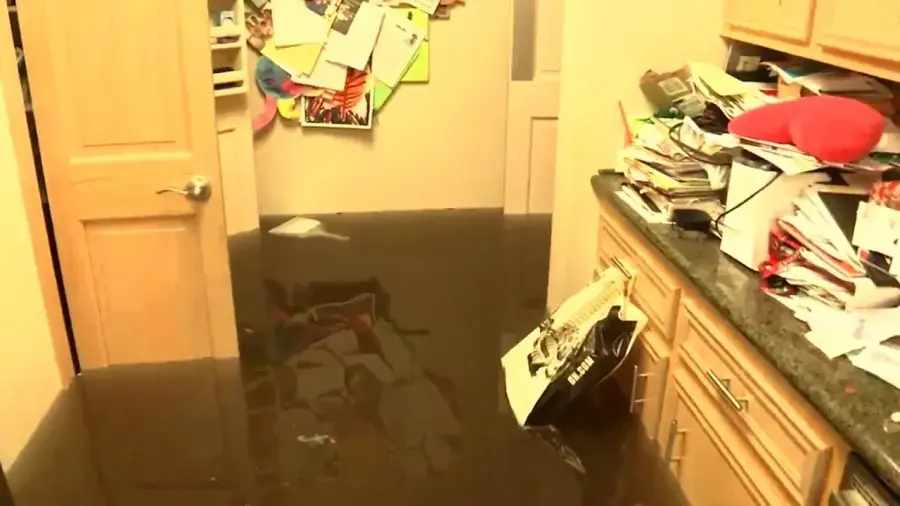
What to do the moment you find storm surge water inside
- 1
Wait for the all clear
Enter only after officials allow re-entry and power to the building is confirmed off.
- 2
Document the high-water mark
Photograph walls, doors and contents before anything is moved or discarded.
- 3
Stay out of standing water
Surge water can hide debris, live wires and contamination.
- 4
Open up and air out
If it is safe, open doors and windows to start moving air.
- 5
Call for mitigation
Removal and drying started early keep the mold window from closing on you.
What does storm surge flood cleanup cost in Miami Beach, FL?
In Miami Beach, FL, storm surge flood cleanup typically runs $4,000 to $100,000 or more. The drivers are how much of the building flooded, the height of the flood cut, whether cabinets and flooring come out, and how fast mitigation started after the storm.
One room or garage
- Extraction and debris removal
- Flood cut and insulation removal
- Antimicrobial treatment
Whole ground floor
- Flooring and cabinet base removal
- Containment and HEPA scrubbers
- Structural drying
Building common areas
- Lobby, garage and units
- Large-loss equipment
- Detailed claim documentation
For a planning range on your own loss, try the Miami Beach water damage cost calculator. The restoration contractor who responds sets the real scope after the moisture map.
How storm surge cleanup is handled in Miami Beach
- 1
Moisture mapping
The tech who does the walkthrough maps wet materials with pinless meters and a thermal camera before any equipment goes down, including the unit below and the wall cavities.
- 2
Extraction
The extraction crew pulls standing water with truck-mounted or portable units, so it leaves the building instead of spreading along the slab.
- 3
Air movers and LGR dehumidifiers
The drying team sets air movers to each room's evaporation load and runs LGR dehumidifiers, adding desiccants for dense Class 4 materials like concrete and terrazzo.
- 4
Daily readings to the drying goal
Readings are logged every day, and equipment comes out when wet materials sit within 2 to 4 points of a dry reference in the same building.
Miami Beach sits between the Atlantic and Biscayne Bay, so a hurricane can push water in from both sides. Hurricane Irma in September 2017 sent surge and flooding into parts of the island, and every hurricane season brings the same risk to ground floors, garages and waterfront homes.
What storm surge does to a building
Surge water is heavy with sand, salt, sewage and debris, and it sits against walls long enough to soak into drywall, insulation, cabinets and the bottom plates of wood framing. Once the water drops, those materials stay wet and contaminated. That is why surge cleanup starts with removal, not drying.
- Drywall and insulation are cut out above the high-water mark, often 12 to 24 inches.
- Carpet, pad and upholstered furniture touched by surge water are removed.
- Tile, concrete and terrazzo are cleaned, treated and dried.
- Cabinet bases and door frames are checked for trapped water.
Working through a post-storm backlog
After a named storm, demand for extraction and drying equipment spikes across South Florida. Getting on the schedule early matters, and so does safety: the National Hurricane Center and local emergency management post re-entry information after a storm. Never enter a flooded building before power is confirmed off.
Take photos and video of every room, the high-water mark on the walls and damaged contents before anything is thrown away. Flood adjusters rely on that record.
Flood coverage and the claim file
Surge is rising water from outside, which is generally covered by flood insurance rather than a standard homeowners or condo policy. FEMA flood insurance explains how flood policies work. A strong file carries the moisture map, daily psychrometric readings, the category and class of loss, and timestamped photos taken before any demolition. Coverage depends on your policy, so it is worth checking with your own insurer.
Related: king tide flooding, roof leak damage from wind-driven rain and commercial water damage. The water damage cost calculator gives a planning range.
Related water damage services in Miami Beach
Water damage restoration across Miami Beach and the nearby islands
The Miami Beach restoration crew covers South Beach, Mid-Beach and North Beach, plus Surfside, Bal Harbour, Bay Harbor Islands, North Bay Village and Fisher Island.
From South of Fifth to the Normandy Isles, the restoration team works 24/7 in every Miami Beach ZIP: 33139, 33140, 33141, 33109, 33119 and 33239, plus 33154 to the north.
High-rise access, loading docks and building management rules are part of the job on the island, and the crew plans for them before the equipment goes up.
See every neighborhood and ZIP coveredStorm Surge Flood Cleanup questions in Miami Beach, FL
Is storm surge water safe to touch?
No. Surge water often carries sewage, fuel and debris. Wear boots and gloves, keep children and pets away, and let the cleanup crew handle removal.
How much drywall comes out after a surge?
Crews usually cut 12 to 24 inches above the highest water mark, sometimes more if water wicked higher. The cut lets the wall cavity dry and removes contaminated insulation.
Does homeowners insurance cover storm surge?
Storm surge is usually treated as flood, which a standard homeowners or condo policy often excludes. Flood coverage is a separate policy. Coverage depends on your policy, so it is worth checking with your own insurer.
How long does drying take after a surge?
After removal, a typical ground floor dries in three to seven days depending on concrete thickness, humidity and how long water sat. Equipment comes out when readings reach the drying goal.
Can furniture be saved?
Hard furniture can often be cleaned and dried. Upholstered pieces, mattresses and particleboard touched by surge water are usually discarded.
Should I wait for the adjuster before cleanup?
Most policies expect you to prevent further damage. Document everything with photos and video first, keep samples of removed materials if asked, then start mitigation.
Storm Surge Flood Cleanup in Miami Beach? Call now.
Every hour water sits, it moves deeper into drywall, cabinets, baseboards and the slab. The Miami Beach restoration crew extracts, dries to the S500 goal and documents the loss for your claim.
(888) 621-2041Speak with Miami Beach 24/7 dispatch