Sewage Backup Cleanup in Miami Beach, FL
Sewage is Category 3 water the moment it backs up. The mitigation team contains the area, removes what it touched, treats every surface and dries the structure to the S500 goal.
(888) 621-2041Call for Category 3 sewage cleanup now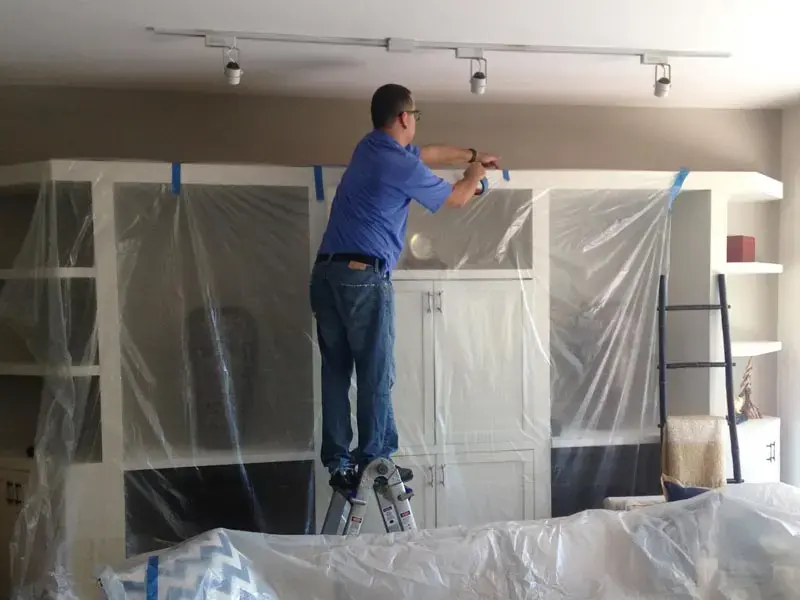
What to do the moment you find a sewage backup
- 1
Stop using every drain
No flushing, showers, sinks or the washer until the blockage is cleared.
- 2
Keep everyone out
Close doors to the area and keep children and pets away.
- 3
Turn off the AC over the area
Do not move contaminated air into clean rooms.
- 4
Photograph from a distance
Document the backup without walking through it.
- 5
Call for sewage cleanup
Category 3 water needs containment and removal right away.
What does sewage backup cleanup cost in Miami Beach, FL?
In Miami Beach, FL, sewage backup cleanup typically runs $2,000 to $30,000 or more. The drivers are how much area the sewage reached, what porous materials must be removed, containment size and how long the sewage sat before cleanup started.
Single bathroom
- Containment and PPE
- Removal of affected materials
- EPA-registered antimicrobial
Several rooms
- Flooring and drywall removal
- HEPA air scrubbers
- Structural drying
Ground floor or common area
- Large containment
- Multiple units or lobby
- Daily moisture logs
For a planning range on your own loss, try the Miami Beach water damage cost calculator. The restoration contractor who responds sets the real scope after the moisture map.
How sewage backup cleanup is handled in Miami Beach
- 1
Moisture mapping
The tech who does the walkthrough maps wet materials with pinless meters and a thermal camera before any equipment goes down, including the unit below and the wall cavities.
- 2
Extraction
The extraction crew pulls standing water with truck-mounted or portable units, so it leaves the building instead of spreading along the slab.
- 3
Air movers and LGR dehumidifiers
The drying team sets air movers to each room's evaporation load and runs LGR dehumidifiers, adding desiccants for dense Class 4 materials like concrete and terrazzo.
- 4
Daily readings to the drying goal
Readings are logged every day, and equipment comes out when wet materials sit within 2 to 4 points of a dry reference in the same building.
A sewage backup is not a cleaning job. The water carries bacteria, viruses and parasites, and IICRC S500 treats it as Category 3 the moment it happens. Anything porous it touched is removed, not dried.
Why backups happen on the island
- Heavy rain and king tides that overload drains and push water back up
- Aging cast iron laterals and stacks in mid-century buildings
- Grease, wipes and roots blocking a building drain
- Pump station or main line problems during storms
If the backup comes from the public sewer side, the Miami-Dade Water and Sewer Department handles the main. Inside the property, the cleanup falls to the owner or the association.
The Category 3 protocol
The mitigation team works in PPE: respirators, gloves, boots and disposable suits. Containment walls of plastic sheeting separate the affected area, and HEPA air scrubbers keep contaminated air from spreading. Carpet, pad, upholstered furniture and drywall touched by sewage are removed, usually cut above the water line. Hard surfaces are cleaned, then an EPA-registered antimicrobial is applied and left for its full dwell time before drying begins.
Do not run the central AC or fans over a sewage area. Moving air can spread contaminants to clean rooms. Close the doors and keep everyone out.
Drying and clearance
After removal and treatment, the drying team runs air movers and dehumidifiers until readings reach the drying goal, and the moisture map and daily logs go into the claim file. Standard policies often limit sewer backup coverage unless an endorsement was added. Coverage depends on your policy, so it is worth checking with your own insurer. The EPA indoor air quality covers indoor air after water events.
Related: cast iron drain leaks, king tide flooding and structural drying. Try the water damage cost calculator for a planning range.
Related water damage services in Miami Beach
Water damage restoration across Miami Beach and the nearby islands
The Miami Beach restoration crew covers South Beach, Mid-Beach and North Beach, plus Surfside, Bal Harbour, Bay Harbor Islands, North Bay Village and Fisher Island.
From South of Fifth to the Normandy Isles, the restoration team works 24/7 in every Miami Beach ZIP: 33139, 33140, 33141, 33109, 33119 and 33239, plus 33154 to the north.
High-rise access, loading docks and building management rules are part of the job on the island, and the crew plans for them before the equipment goes up.
See every neighborhood and ZIP coveredSewage Backup Cleanup questions in Miami Beach, FL
Is it safe to clean up sewage myself?
It is not recommended. Sewage carries bacteria and viruses, and cleanup requires PPE, containment, removal of porous materials and a registered antimicrobial.
What has to be thrown away after a sewage backup?
Porous items that touched the sewage, like carpet, pad, upholstered furniture, mattresses and the lower drywall, are usually removed. Hard items can often be cleaned and disinfected.
Why is sewage Category 3?
It contains pathogens and contaminants from the moment it leaves the drain. IICRC S500 treats it as grossly contaminated water.
Does homeowners insurance cover sewage backups?
Many standard policies limit sewer backup coverage unless a specific endorsement was added. Coverage depends on your policy, so it is worth checking with your own insurer.
How long until the area is usable again?
Removal and treatment usually take a day or two, then drying typically runs three to five days. Rebuild follows once readings reach the goal.
Can I use the toilets during a backup?
No. Stop using all drains until the blockage is cleared, or more sewage can come up.
Sewage Backup Cleanup in Miami Beach? Call now.
Every hour water sits, it moves deeper into drywall, cabinets, baseboards and the slab. The Miami Beach restoration crew extracts, dries to the S500 goal and documents the loss for your claim.
(888) 621-2041Speak with Miami Beach 24/7 dispatch